
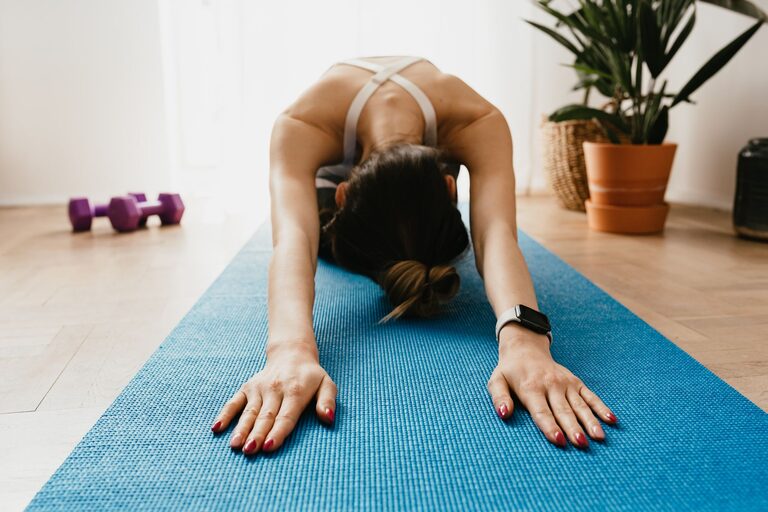
Stretching is a gentle and accessible way to improve your body’s flexibility, reduce muscle tension, and promote relaxation. You don’t need a gym, special equipment, or even much time to start stretching effectively. This beginner’s guide will walk you through the basics of stretching at home, helping you create a simple routine that fits your lifestyle.
Why Stretch at Home?
Stretching regularly can benefit your body in many ways:
– Increases flexibility: Helps your muscles and joints move more freely.
– Improves posture: Releases tension in tight muscles, supporting better alignment.
– Reduces risk of injury: Prepares your muscles and joints for physical activities.
– Enhances relaxation: Stretching encourages blood flow and can reduce stress.
– Convenient and low-cost: No need for equipment or special classes—just a little space and time.
By stretching at home, you have the freedom to adjust your routine to your needs and comfort level.
Getting Started: What You Need
Before you begin, gather a few essentials to make your stretching experience comfortable:
– A quiet, open space: Enough room to sit, stand, and lie down comfortably.
– A yoga mat or soft surface: Protects your joints when stretching on the floor.
– Comfortable clothing: Wear clothes that allow you to move freely.
– Water bottle: Stay hydrated before and after your session.
– Timer or stopwatch (optional): Helps keep track of time spent on each stretch.
Warm-Up Before Stretching
It’s important to warm up your body before stretching to avoid injury. Try 3–5 minutes of light activity such as:
– Marching in place
– Gentle walking around the room
– Arm circles or shoulder shrugs
Warming up increases blood flow to your muscles and prepares them for stretching.
Types of Stretching
There are different ways to stretch muscles, but for beginners, these two types are the most useful:
1. Static Stretching
This involves holding a stretch for a period, usually 15–60 seconds. It helps increase flexibility by lengthening the muscles gradually.
2. Dynamic Stretching
These are gentle, controlled movements that take your muscles through their full range of motion. Dynamic stretching is often used as part of a warm-up.
For a home routine, static stretches after warming up or at the end of your day are a great place to begin.
Basic Stretching Routine for Beginners
Here is a simple full-body stretching routine you can do at home. Hold each stretch for 20 to 30 seconds and repeat 2–3 times as comfortable.
Neck Stretch
– Sit or stand tall.
– Slowly tilt your head toward your right shoulder until you feel a gentle stretch on the left side of your neck.
– Hold, then switch sides.
Shoulder Stretch
– Bring your right arm across your chest.
– Use your left hand to gently press your right arm closer to your chest.
– Hold, then switch arms.
Triceps Stretch
– Raise your right arm overhead and bend your elbow to touch the middle of your upper back.
– Use your left hand to gently push your elbow downward.
– Hold, then switch arms.
Chest Stretch
– Stand tall and clasp your hands behind your back.
– Straighten your arms and lift your chest while squeezing your shoulder blades together.
– Hold and breathe deeply.
Side Stretch
– Raise your right arm overhead.
– Lean gently to the left side, feeling a stretch along your right side.
– Hold, then switch sides.
Seated Hamstring Stretch
– Sit on the floor with your legs extended straight.
– Slowly reach toward your toes, keeping your back straight.
– Hold the stretch without bouncing.
Quadriceps Stretch
– Stand near a wall or chair for support.
– Bend your right knee and bring your heel toward your buttocks.
– Grab your ankle with your right hand and hold the stretch.
– Keep your knees close together.
– Hold, then switch legs.
Calf Stretch
– Stand facing a wall with your hands on it.
– Step your right foot back, keeping the heel on the ground.
– Bend your left knee slightly and lean forward to feel the stretch in your right calf.
– Hold, then switch legs.
Tips for Effective Stretching
– Breathe deeply and steadily: Avoid holding your breath while stretching.
– Never force a stretch: Stretch to the point of gentle tension, not pain.
– Be consistent: Aim to stretch at least 3 times a week.
– Listen to your body: If a stretch feels uncomfortable, adjust or skip it.
– Combine with other activities: Stretching pairs well with walking, yoga, or light exercise.
When to Stretch
You can stretch at various times, depending on your goals:
– Morning: To help wake up your body.
– Before exercise: Include dynamic stretches as part of your warm-up.
– After exercise: Use static stretches to help muscles relax.
– Before bed: Gentle stretching can promote relaxation and better sleep.
Avoid Common Mistakes
– Skipping warm-up: Stretching cold muscles can lead to injury.
– Bouncing during stretches: This can strain muscles and cause injury.
– Holding breath: Breathing helps muscles relax and stretch effectively.
– Ignoring pain signals: Sharp or intense pain is a sign to stop immediately.
Final Thoughts
Stretching at home is a simple, low-impact way to improve your flexibility and well-being. Starting with a few basic stretches and building a routine that fits your schedule can make a big difference. Remember to move slowly, breathe deeply, and enjoy the process of caring for your body.
Give yourself time to develop the habit, and soon stretching will feel like a natural and rewarding part of your day. Happy stretching!