
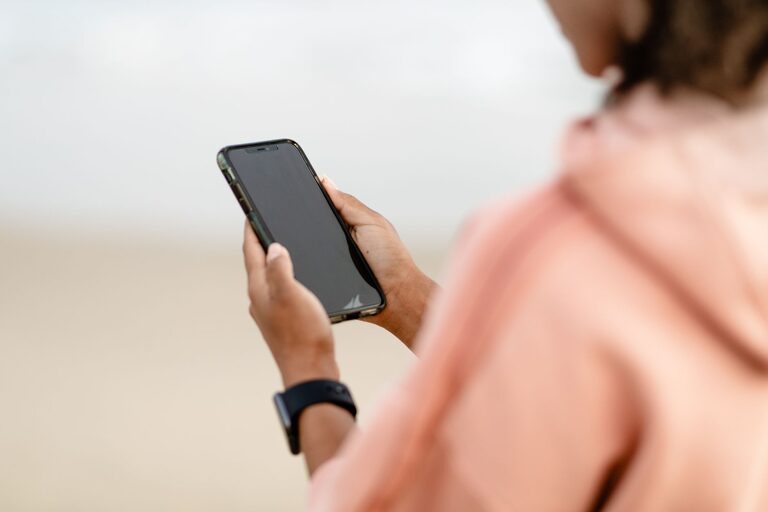
In today’s digital world, smartphones are indispensable tools for communication, work, and entertainment. However, excessive or mindless phone use can negatively affect your focus, sleep, and mental well-being. Maintaining healthy phone habits helps you stay balanced and feel more in control of your time.
In this post, we’ll explore simple yet effective ways to develop healthier phone habits that support your daily life without feeling overwhelmed by technology.
Why Healthy Phone Habits Matter
Phones offer convenience, but they can also become distractions. Constant notifications and frequent checking can reduce productivity and increase stress. Overusing screens—especially before bed—can disrupt sleep patterns, affecting your energy and mood the next day.
By adopting healthier phone habits, you can:
– Improve concentration and focus
– Reduce eye strain and fatigue
– Promote better sleep quality
– Create more meaningful in-person connections
– Feel more present in everyday moments
Tips to Maintain Healthy Phone Habits
1. Set Specific Phone-Free Times
Designate parts of your day as phone-free zones, such as:
– During meals
– First hour after waking
– One hour before bedtime
– Family or social gatherings
This creates natural breaks and helps you engage more fully with those around you or focus on other activities.
2. Manage Notifications Effectively
Constant alerts can make you check your phone compulsively. To reduce interruptions:
– Turn off non-essential notifications
– Use “Do Not Disturb” or focus mode during work or study
– Group notifications so you check them less often
This reduces distractions and helps maintain your attention.
3. Use Screen Time Tracking Tools
Most smartphones include built-in tools that show your daily usage and app activity. Regularly reviewing these stats makes you more aware of how much time you spend on your phone and which apps consume most of it.
Set personal usage limits for specific apps or overall screen time to encourage moderation.
4. Create a Morning and Evening Routine Without Your Phone
Start and end your day with activities that don’t involve screens:
– Morning: stretching, meditation, reading, or journaling
– Evening: calming hobbies like reading paper books, light stretching, or prepping for the next day
Reducing screen exposure before sleep improves relaxation and sleep quality.
5. Keep Your Phone Out of Reach When Not Needed
When working, studying, or spending quality time with loved ones:
– Place your phone in another room or out of immediate reach
– Use physical timers or clocks instead of your phone’s alarm
– Consider using airplane mode to minimize distractions
This helps reduce the temptation to check your phone unnecessarily.
6. Practice Mindful Phone Usage
Be intentional with your phone use:
– Ask yourself why you’re picking up your phone — is it necessary or just habit?
– Use apps or websites with clear purposes rather than mindless scrolling
– Focus on meaningful interactions rather than passive consumption
Mindfulness reduces stress and makes your phone time more fulfilling.
7. Engage in Phone-Free Activities Regularly
Balance your day with activities that don’t involve screens, such as:
– Outdoor walks or sports
– Reading books, crafting, or cooking
– Spending time with friends and family in person
These activities recharge your mind and body while promoting a healthier lifestyle.
8. Maintain Physical and Digital Boundaries
Create clear distinctions between work and personal life, especially if you use your phone for both:
– Avoid checking work emails or messages during personal time
– Set work hours and communicate boundaries to colleagues
– Use separate devices or profiles if possible
Protecting your personal time reduces burnout and improves overall balance.
Signs You Might Need to Adjust Your Phone Habits
If you notice any of the following, it might be time to rethink your phone use:
– Feeling anxious or restless without your phone
– Missing out on real-world experiences
– Having trouble sleeping or feeling tired during the day
– Difficulty concentrating or completing tasks
– Frequent eye strain or headaches
Taking proactive steps now can improve your well-being and productivity.
Conclusion
Phones are valuable tools, but healthy phone habits are essential to maintain balance in our busy lives. By setting limits, creating routines, and being mindful of your usage, you can enjoy the benefits of technology without feeling controlled by it.
Start small by implementing one or two of the tips above today, and gradually build a routine that supports your focus, sleep, and meaningful connections. Your phone should be a helpful companion—not a distraction.
Feel free to share your own tips or challenges with phone habits in the comments below!