
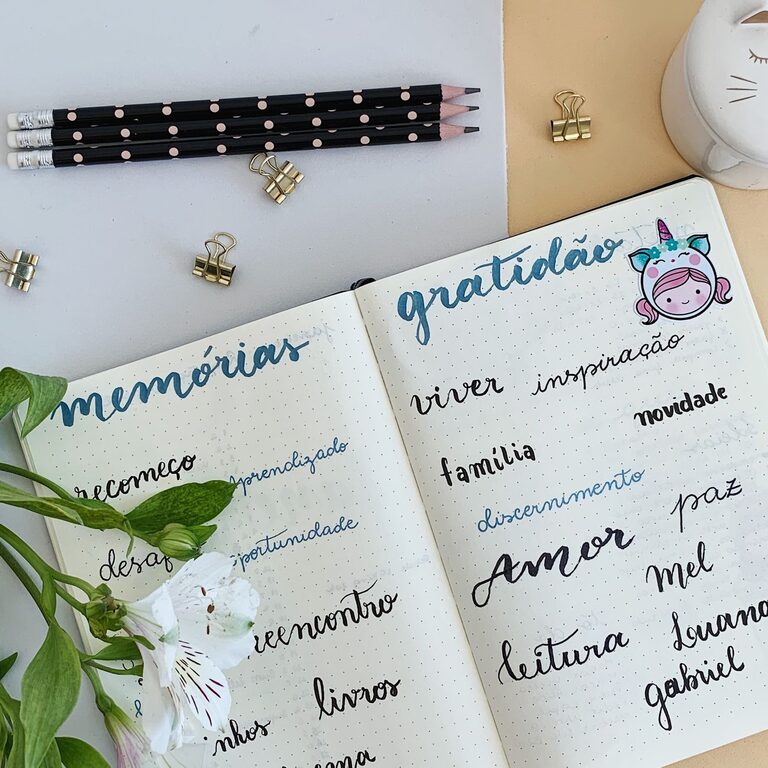
Keeping a gratitude journal is a simple yet powerful practice that can improve your mindset, increase happiness, and help you focus on the positives in life. Starting a gratitude journal doesn’t require special tools—just a notebook and a willingness to reflect. In this post, we’ll walk through everything you need to know to get started and maintain a meaningful gratitude journaling habit.
What Is a Gratitude Journal?
A gratitude journal is a personal diary where you regularly write down things you are thankful for. This practice encourages you to notice and appreciate the good things in everyday life, even when things feel challenging. Over time, it helps build a habit of positivity and appreciation.
Why Start a Gratitude Journal?
Before jumping into how to start, it’s helpful to understand why gratitude journaling can be beneficial:
– Improves Mood: Focusing on what you are grateful for can lift your spirits and reduce stress.
– Enhances Mindfulness: Writing daily helps you become more aware of positive moments.
– Builds Optimism: Regularly recognizing good things trains your mind to expect more positivity.
– Supports Wellbeing: Gratitude has been linked to better sleep, stronger relationships, and increased resilience.
How to Start a Gratitude Journal
Here’s a step-by-step guide to creating and maintaining your gratitude journal.
1. Choose Your Journal
Start by selecting a journal that feels right for you. This could be:
– A traditional paper notebook
– A dedicated gratitude journal with prompts
– A digital note app or journaling app
Choose whatever feels convenient and enjoyable, as this increases the chance you’ll stick with it.
2. Set a Routine and Time
Decide when you’ll write in your journal daily or weekly. Many people find it helpful to write either:
– In the morning to start the day positively
– In the evening to reflect on the day
Pick a time that fits your schedule, even if it’s just 5 minutes.
3. Start Small
If you’re new to journaling, begin with writing down just three things you’re grateful for each day. These can be specific moments, people, feelings, or even simple things like a warm cup of coffee.
4. Be Specific and Personal
Rather than writing vague statements, try to be specific about why you’re grateful. For example:
– Instead of “I’m grateful for my family,” write “I’m grateful for the fun dinner I had with my family today.”
Being detailed helps you connect with the feelings of gratitude more deeply.
5. Use Prompts for Inspiration
If you struggle with what to write, prompts can help spark ideas. Here are a few examples:
– What made you smile today?
– Name one thing you are proud of.
– Which person made a positive impact on you recently?
– What’s a simple pleasure you enjoyed today?
6. Reflect and Revisit
Every once in a while, read back through your past entries. Reflecting on previous gratitude moments can boost your mood and remind you of progress during tough times.
Tips for Maintaining Your Gratitude Journal
Building any new habit takes time and patience. Here are some ideas to help you stay consistent:
– Keep your journal where you can see it: On your bedside table or desk
– Set a reminder: Use phone alarms or sticky notes
– Combine with other routines: Journal right after brushing your teeth or having a cup of tea
– Share your gratitude: Tell friends or family about your entries for added motivation
– Be kind to yourself: Missing a day is okay—just get back to it the next day
Benefits You Can Expect Over Time
People who keep gratitude journals often notice benefits such as:
– Increased happiness and reduced feelings of envy or resentment
– Improved relationships through appreciation of others
– Better emotional resilience and stress management
– A more positive outlook on life in general
Final Thoughts
Starting a gratitude journal is an easy and effective way to foster positivity and mindfulness in your daily life. By making gratitude a regular habit, you encourage your mind to focus on what’s good, which can lead to increased joy and well-being. Remember to be patient and make the practice your own—whether you write long reflections or a simple list, every effort counts.
Try it today and see how gratitude journaling can brighten your perspective!